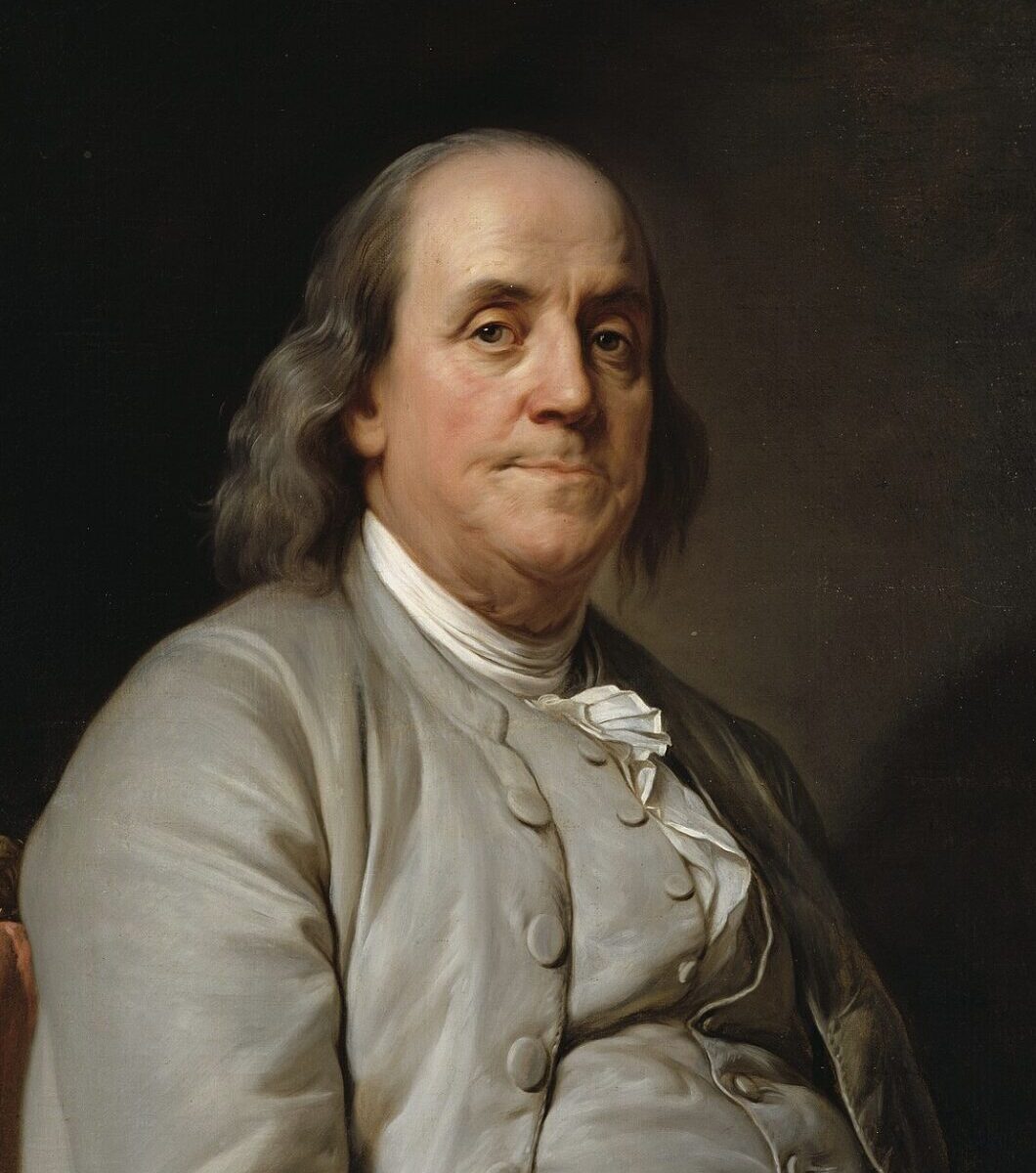
“Early to bed and early to rise makes a man healthy, wealthy, and wise”
Did Benjamin Franklin Have Insomnia?
While there is no definitive evidence that Benjamin Franklin suffered from insomnia, he was well known for advocating a structured daily routine and an early bedtime. His famous saying, “Early to bed and early to rise makes a man healthy, wealthy, and wise,” remains one of the best-known observations on sleep and productivity.
Franklin appears to have valued sleep highly and maintained a disciplined approach to daily life. However, there are also reports that he occasionally napped and may not always have followed the advice he publicly promoted. Some historians have suggested that his sleep patterns varied over time, but exactly how well he slept is impossible to know.
This raises an interesting question. Is there really one “correct” way to sleep?
Monophasic Sleep
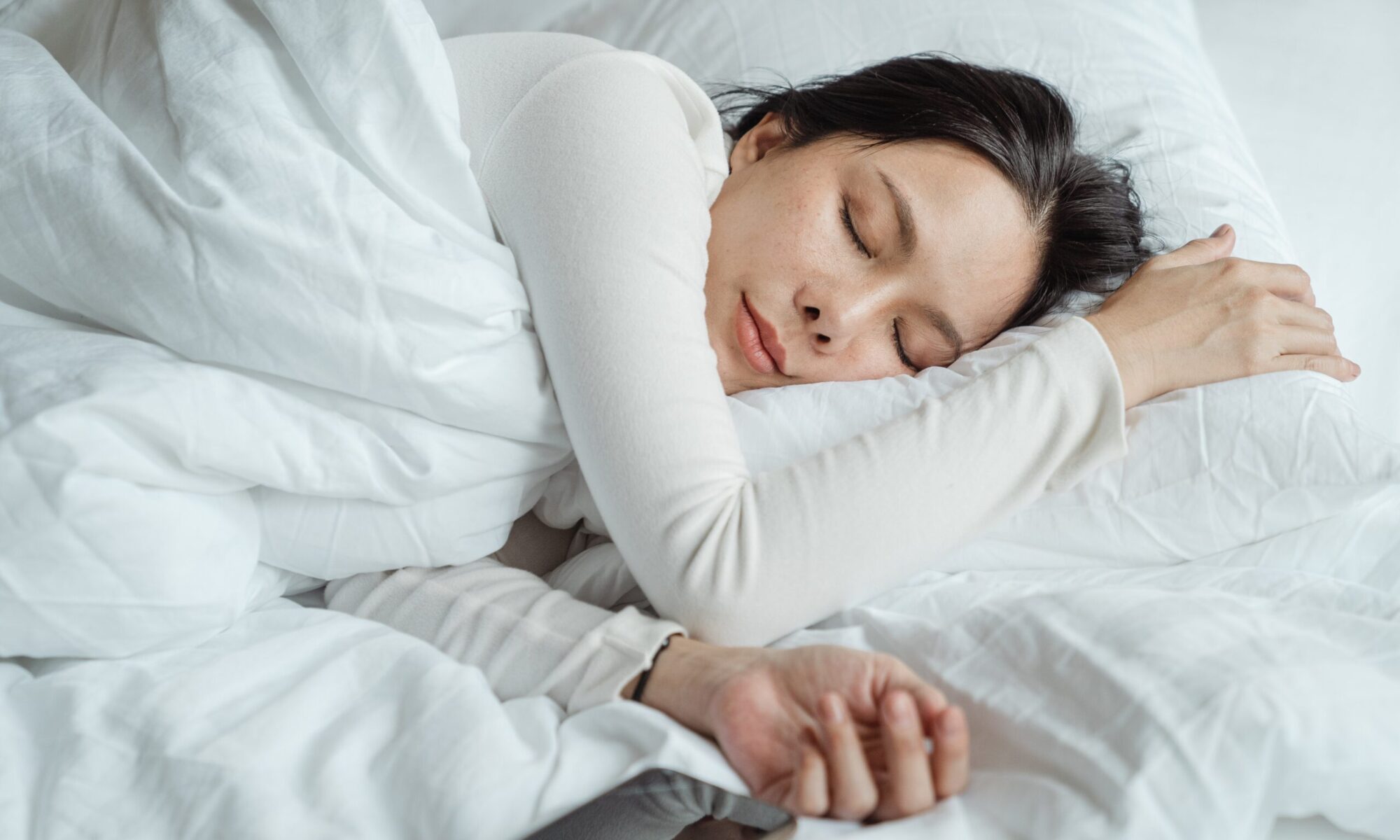
Today, most people follow what is known as a monophasic sleep pattern, obtaining the majority of their sleep in a single block each night. While this is often considered the “normal” pattern in modern society, historians suggest this may not always have been the case.
The Industrial Revolution brought longer working hours, factory schedules, and more rigid routines. As society became increasingly structured around clocks and work schedules, sleeping once per day gradually became the norm.
The arrival of electric lighting may also have influenced human sleep. Exposure to bright light in the evening can suppress melatonin production, delaying sleep onset and reducing overall sleep duration in some individuals.
Biphasic Sleep
Biphasic sleep involves two periods of sleep within a 24-hour period. Typically, this consists of a longer period of sleep at night, perhaps five to six hours, followed by a shorter daytime sleep or siesta.
Many people find that a brief daytime nap of 20–30 minutes improves alertness and performance. Others prefer a longer nap of approximately 90 minutes, allowing them to complete a full sleep cycle.
Some cultures have traditionally embraced biphasic sleep patterns. Whether biphasic sleep is healthier than monophasic sleep remains debated, but it clearly works well for some individuals.
I once knew a very busy dentist in the UK who routinely slept in his dental chair between 12:30 and 1:30 every afternoon. He worked long hours and swore by his naps. His staff may have had mixed opinions when he was still treating patients at 6:30 pm after an 8:00 am start.
What About Naps?
Naps may be beneficial and, for some people, may represent a more natural pattern of sleep.
Research suggests that appropriately timed naps can improve alertness, mood, learning, and memory. However, long or poorly timed naps may interfere with nighttime sleep, particularly in people prone to insomnia.
Another form of biphasic sleep is segmented sleep.
Segmented Sleep
Segmented sleep consists of two distinct periods of sleep occurring during the night, separated by a period of wakefulness.
Historian Roger Ekirch has argued that before the widespread use of artificial lighting, many people commonly experienced a “first sleep” and “second sleep,” waking for a period during the night before returning to sleep until dawn. His work suggests that this pattern may have been common in parts of pre-industrial Europe.
During the waking period, people reportedly prayed, read, talked, tended animals, or engaged in other activities before returning to bed. It sounds rather pleasant compared with checking emails at 3:00 am.
Polyphasic Sleep
Polyphasic sleep involves multiple periods of sleep spread throughout the day and night. Various schedules have been proposed, including:
Everyman Pattern – A longer sleep period of approximately three hours, supplemented by several short naps throughout the day.
Uberman Pattern – Six short naps spread evenly throughout a 24-hour period.
Dymaxion Pattern – Four naps per day, each occurring every six hours.
Although such schedules attract considerable attention online, they can be difficult to maintain and there is limited evidence that they provide the same health benefits as obtaining adequate consolidated sleep.
So, Did Benjamin Franklin Have disturbed sleep – Insomnia?
The honest answer is that we do not know.
Franklin clearly valued sleep, promoted good habits, and appears to have experimented with different routines throughout his life. Whether he experienced insomnia, followed a biphasic pattern, or simply adapted his sleep to the demands of an extraordinarily busy life remains uncertain.
What his story does remind us is that people differ. Some function best with eight hours of sleep. Others appear to do well with less. Genetics, age, health, lifestyle, work schedules, and circadian rhythms all influence individual sleep needs.
Perhaps Franklin, an inventor and experimenter by nature, would have been fascinated by today’s science of sleep, circadian rhythms, and chronobiology. He might even have challenged some of our assumptions.
One thing is certain: more than 250 years later, we are still trying to answer the same question — what is the best way to sleep?